
POLISH TRADITIONS
Polish culture is rich with traditions that blend faith, family, hospitality, folklore, and national pride. Many of these customs have survived centuries of wars, partitions, and political change, remaining an important part of everyday life in Poland and among Polish communities around the world. For anyone exploring Polish heritage, these traditions offer a fascinating glimpse into the values and spirit of the Polish people.
Why These Traditions Matter
Polish traditions are more than customs-they tell the story of a people who preserved their identity through centuries of challenge and change. Whether through the warmth of Wigilia, the joy of Dyngus Day, the beauty of All Saints' Day, or the artistry of folk culture, each tradition reveals values that remain central to Polish life: faith, family, hospitality, resilience, and community.
For anyone exploring Polish heritage, these traditions provide a meaningful path to understanding not only Poland's history but also the enduring spirit of the Polish people
Traditions
Wigilia
Easter Basket
Dyngus Day
The Harvest Festival
All Saints' Day
Adrew's Eve Fortune
Hospitality
Folk Music
Name Day Celebration
Polonaise Dance
Chrismas Caroling
Generational Respect
Fat Thursday
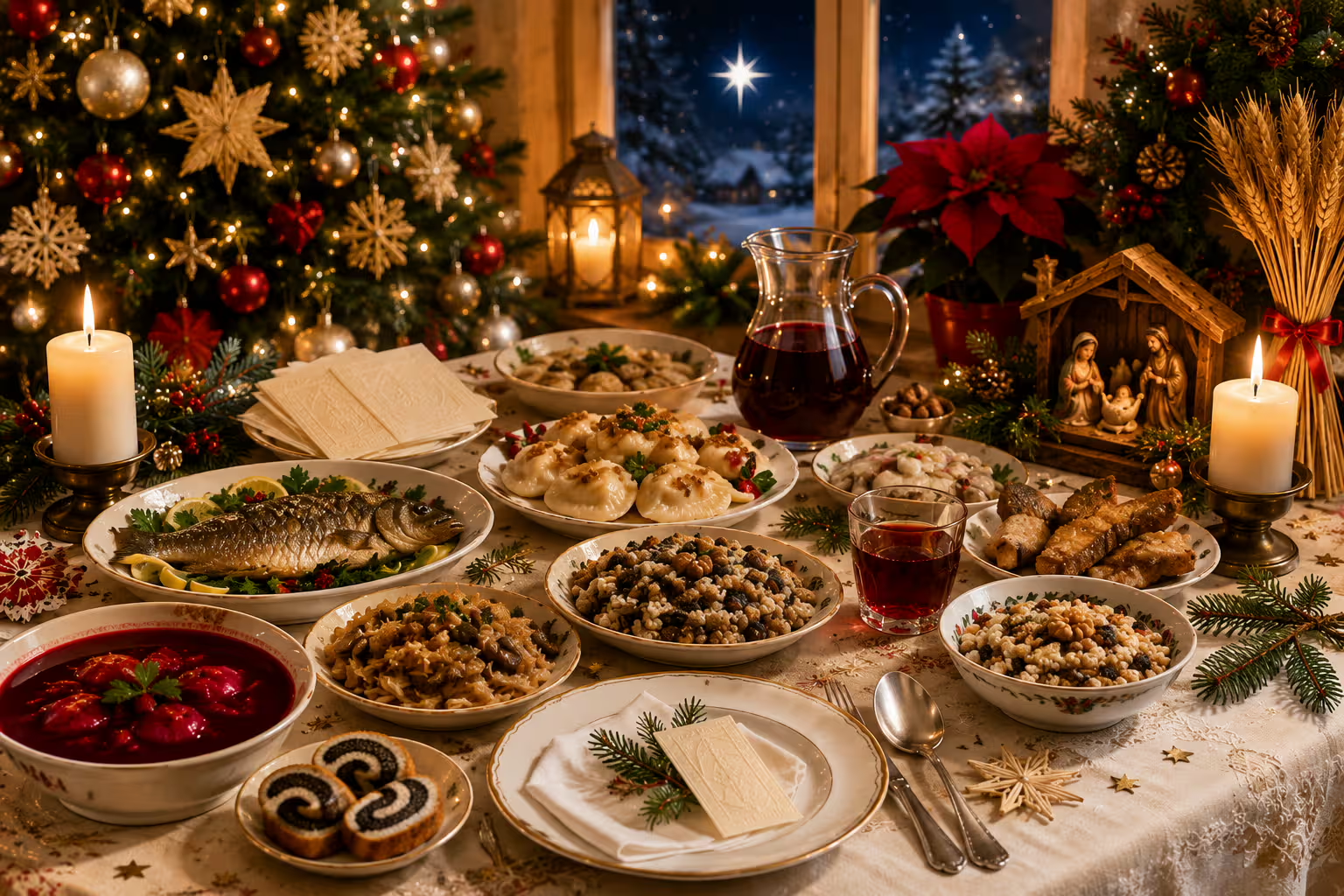
1. Wigilia
The Polish Christmas Even Celebration
Wigilia, celebrated on December 24, is perhaps the most cherished Polish tradition. Families gather for an elaborate evening meal after the appearance of the first star in the sky, symbolizing the Star of Bethlehem. Before sitting down, family members share a thin wafer called opłatek, offering blessings and good wishes to one another.
The meal traditionally consists of twelve meatless dishes representing the twelve apostles. Favorites include beet soup (barszcz), pierogi, carp, cabbage dishes, and poppy-seed desserts. An empty place setting is often left at the table to welcome an unexpected guest or to honor absent loved ones, reflecting the Polish values of hospitality and remembrance.
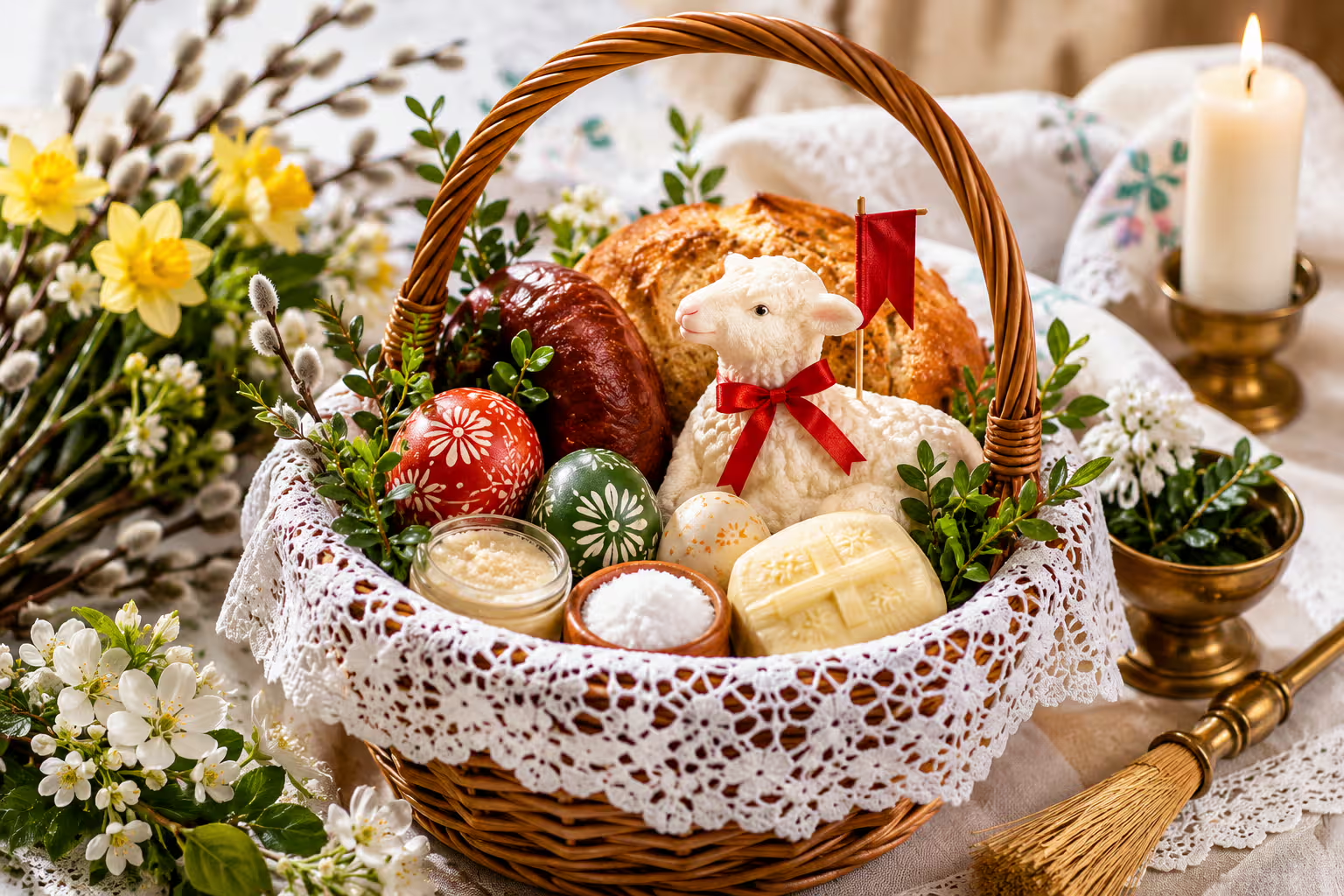
2. Święconka
Blessing of the Easter Baskets
On Holy Saturday, Polish families prepare beautifully decorated baskets filled with symbolic foods and bring them to church for blessing. The baskets typically contain eggs, bread, sausage, salt, butter, and a lamb figure representing Christ.
Each item carries special meaning. Eggs symbolize new life, bread represents God's provision, and salt stands for preservation and purity. After Easter Sunday Mass, families gather to share the blessed foods as part of their holiday meal, connecting faith and family through a centuries-old tradition.
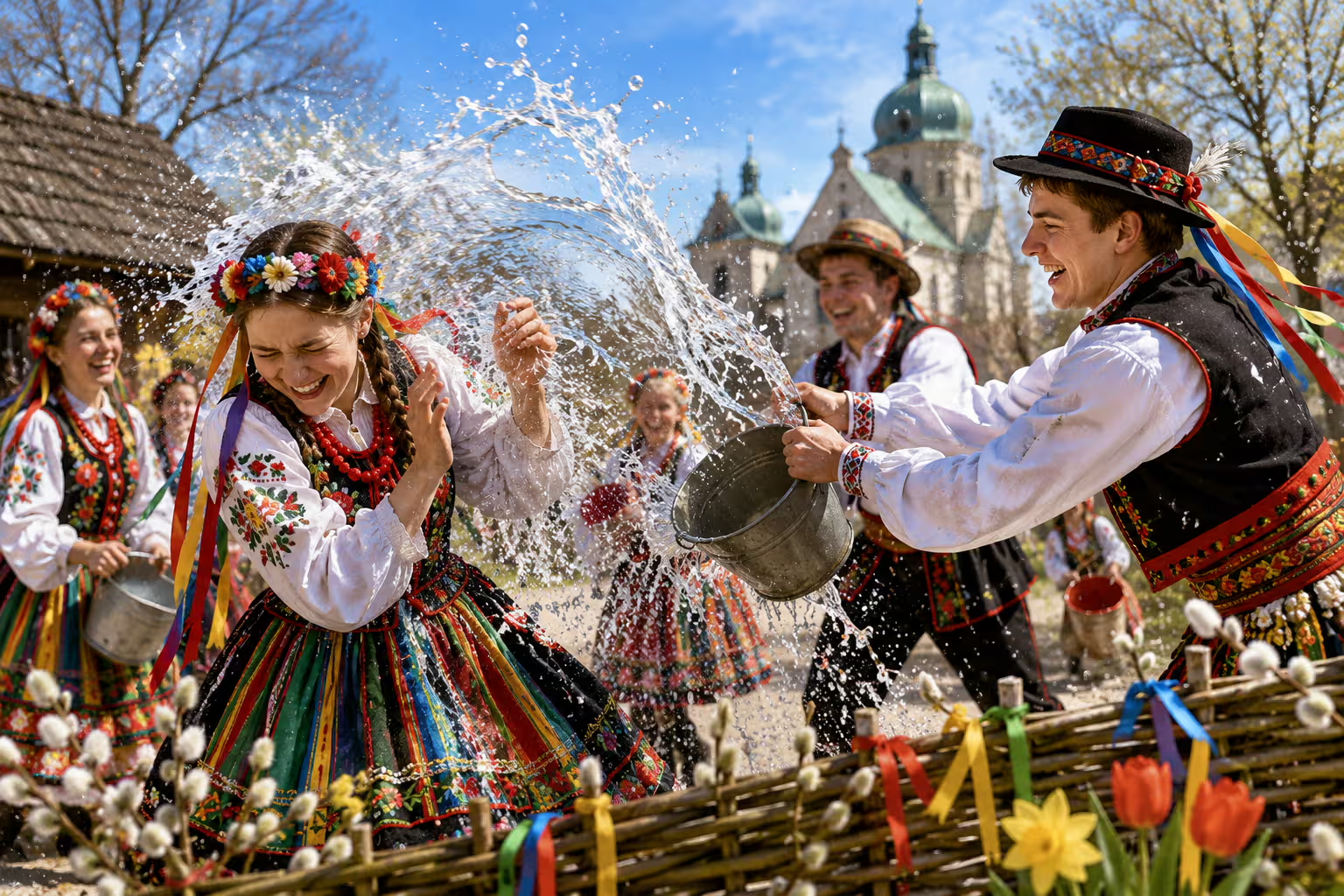
3. Śmigus-Dyngus
Dyngus Day
The Monday after Easter is known as Dyngus Day, one of Poland's most playful traditions. Historically, young men would sprinkle water on young women, symbolizing purification, spring renewal, and good fortune.
Today, water fights and festive celebrations continue throughout Poland and especially within Polish-American communities. Cities like Cleveland, Buffalo, and South Bend host large Dyngus Day festivals featuring music, dancing, food, and cultural pride. It has become a joyful celebration of both spring and Polish identity.
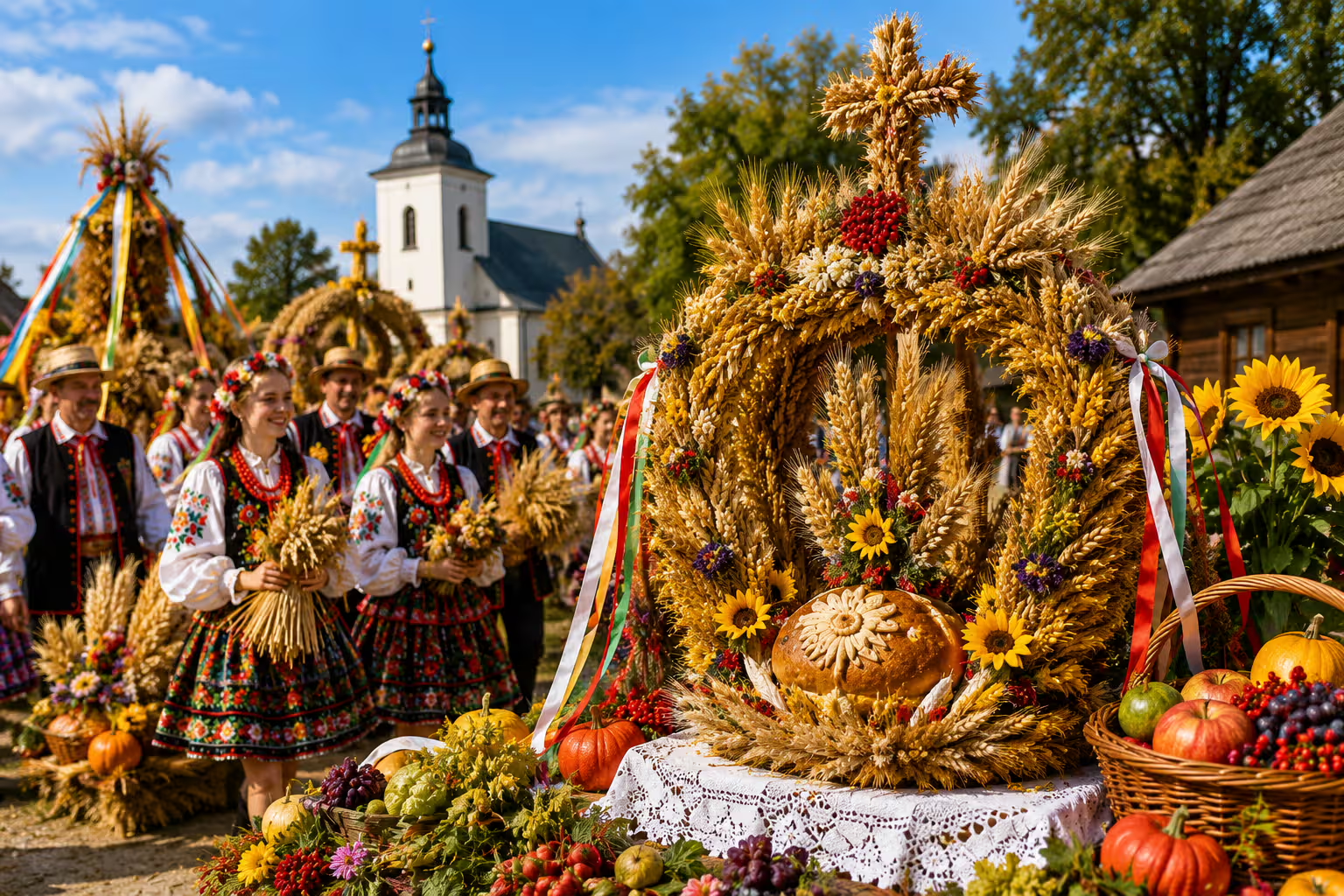
4. Dożynki
The Harvest Festival
Dożynki is Poland's traditional harvest celebration held in late summer or early autumn. Villages gather to give thanks for a successful harvest through parades, music, dancing, and religious ceremonies.
One of the most recognizable symbols is the elaborate harvest wreath woven from grain, flowers, and ribbons. The festival reflects Poland's agricultural roots and honors the hard work of farmers while celebrating community, abundance, and gratitude.
5. Wszystkich Świętych
All Saints' Day
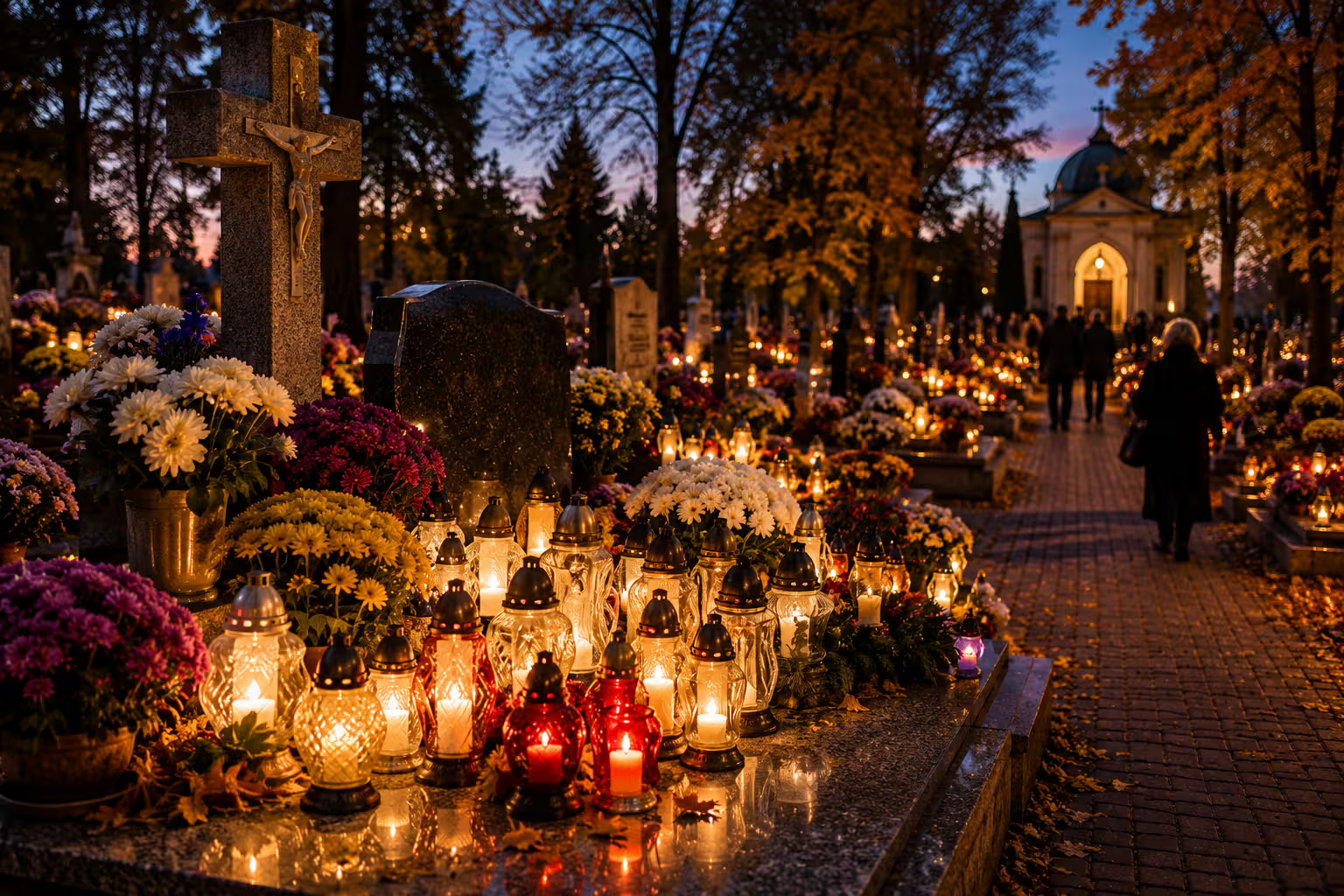
On November 1, Polish families visit cemeteries to honor deceased relatives and friends. Graves are cleaned, decorated with flowers, and illuminated with thousands of candles, creating breathtaking displays of light across cemeteries throughout the country.
This solemn yet beautiful tradition emphasizes remembrance and the strong connection Poles maintain with their ancestors. Visitors often describe the sight of entire cemeteries glowing with candlelight as one of the most moving cultural experiences in Poland.
6. Andrzejki
St. Andrew's Eve Fortune Telling
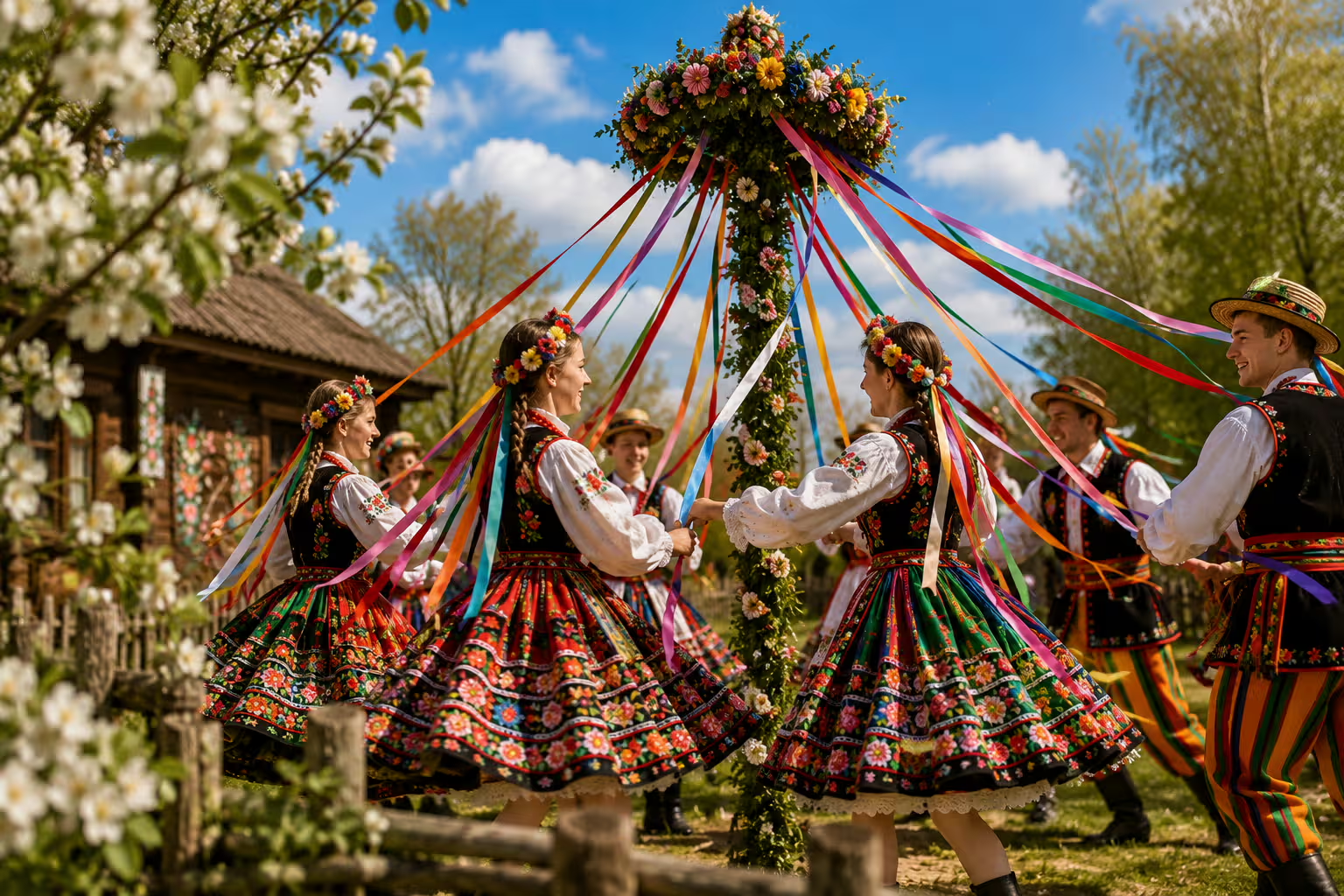
Celebrated on November 29, Andrzejki is a night devoted to fortune-telling and fun. Traditionally, young unmarried women participated in games and rituals to predict their future husbands and fortunes.
One of the most famous customs involves pouring hot wax through a keyhole into cold water and interpreting the shapes that form. Today, children and adults alike enjoy Andrzejki parties, preserving a fascinating blend of folklore, superstition, and entertainment.
7. Gościnność
Sharing Hospitality with Guests
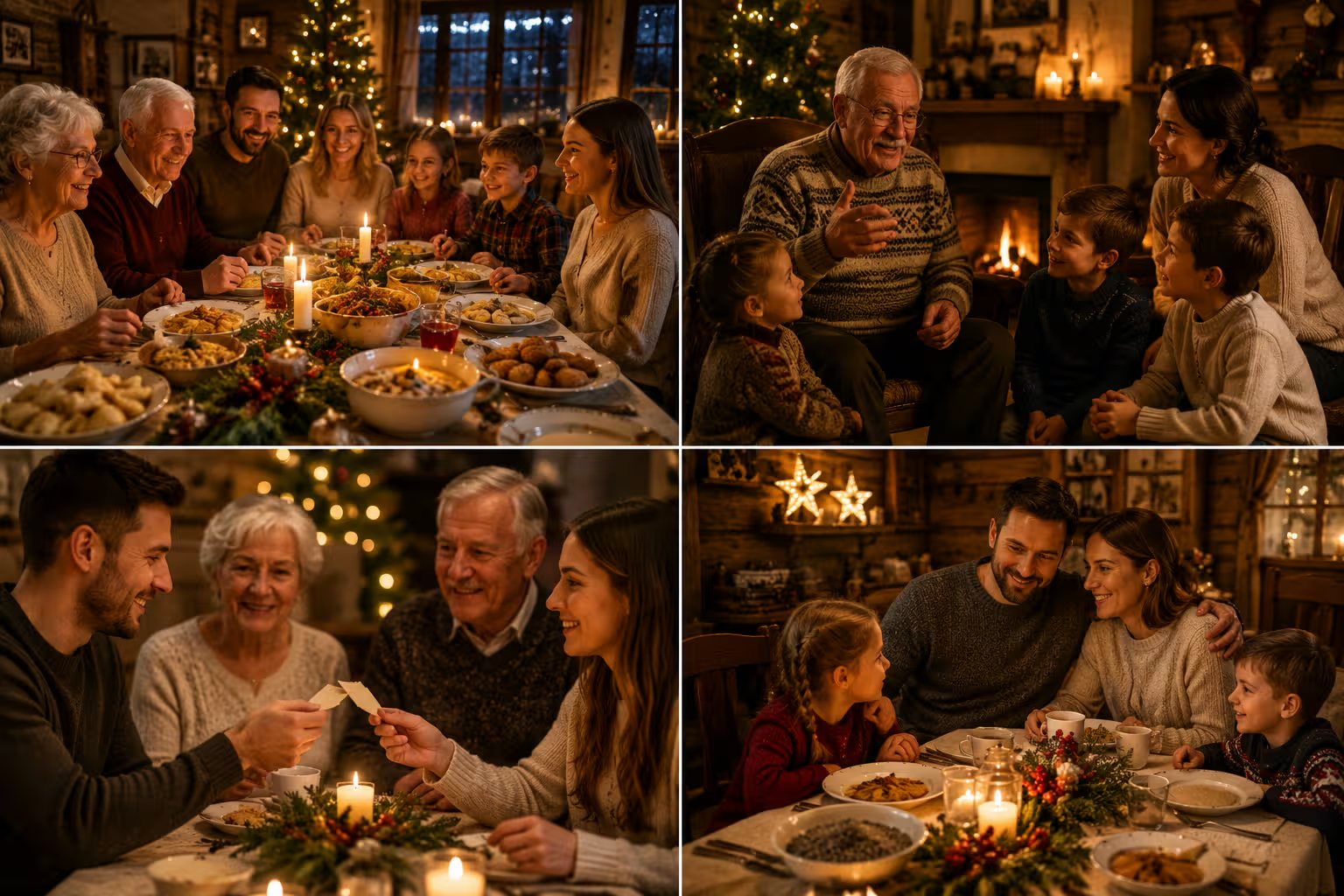
Polish hospitality is legendary. Guests entering a Polish home are often greeted with food, coffee, tea, and an invitation to stay awhile. Refusing hospitality can sometimes be viewed as impolite because hosts genuinely take pride in caring for visitors.
Family gatherings frequently revolve around large meals, storytelling, and conversation. This tradition reflects the Polish belief that a home should always be welcoming and that relationships are strengthened through sharing food and time together.
8. Muzyka, Górale
Folk Music, Dance, and Traditional Dress
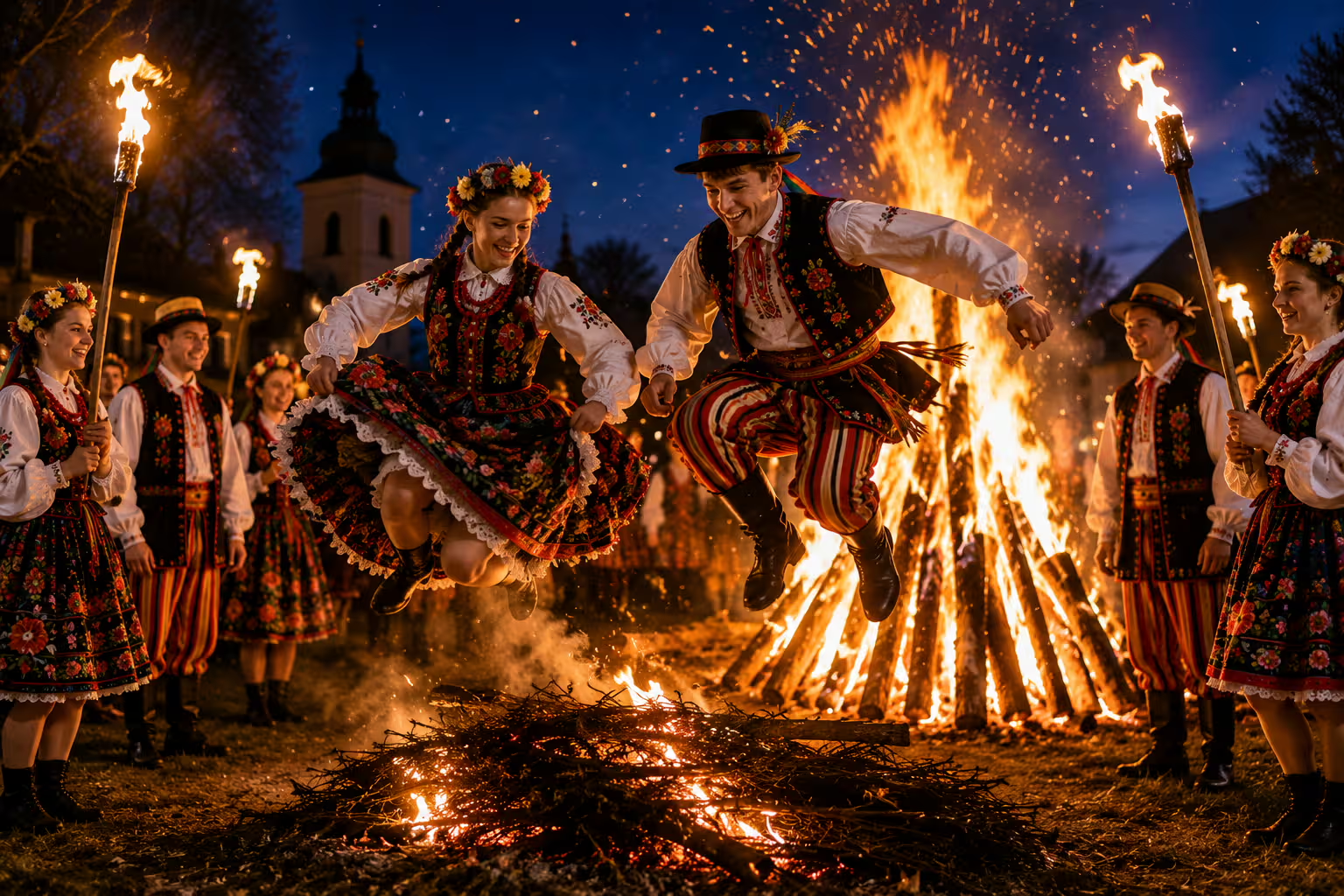
Poland's regions each possess distinctive folk traditions, costumes, music, and dances. Colorful embroidered garments, floral patterns, and intricate beadwork showcase local craftsmanship and identity.
Traditional dances such as the Polonaise, Mazurka, Krakowiak, and Oberek remain popular during cultural festivals and celebrations. These artistic traditions preserve centuries of regional history while expressing joy, pride, and community spirit.
9. Imieniny
Name Day Celebrations
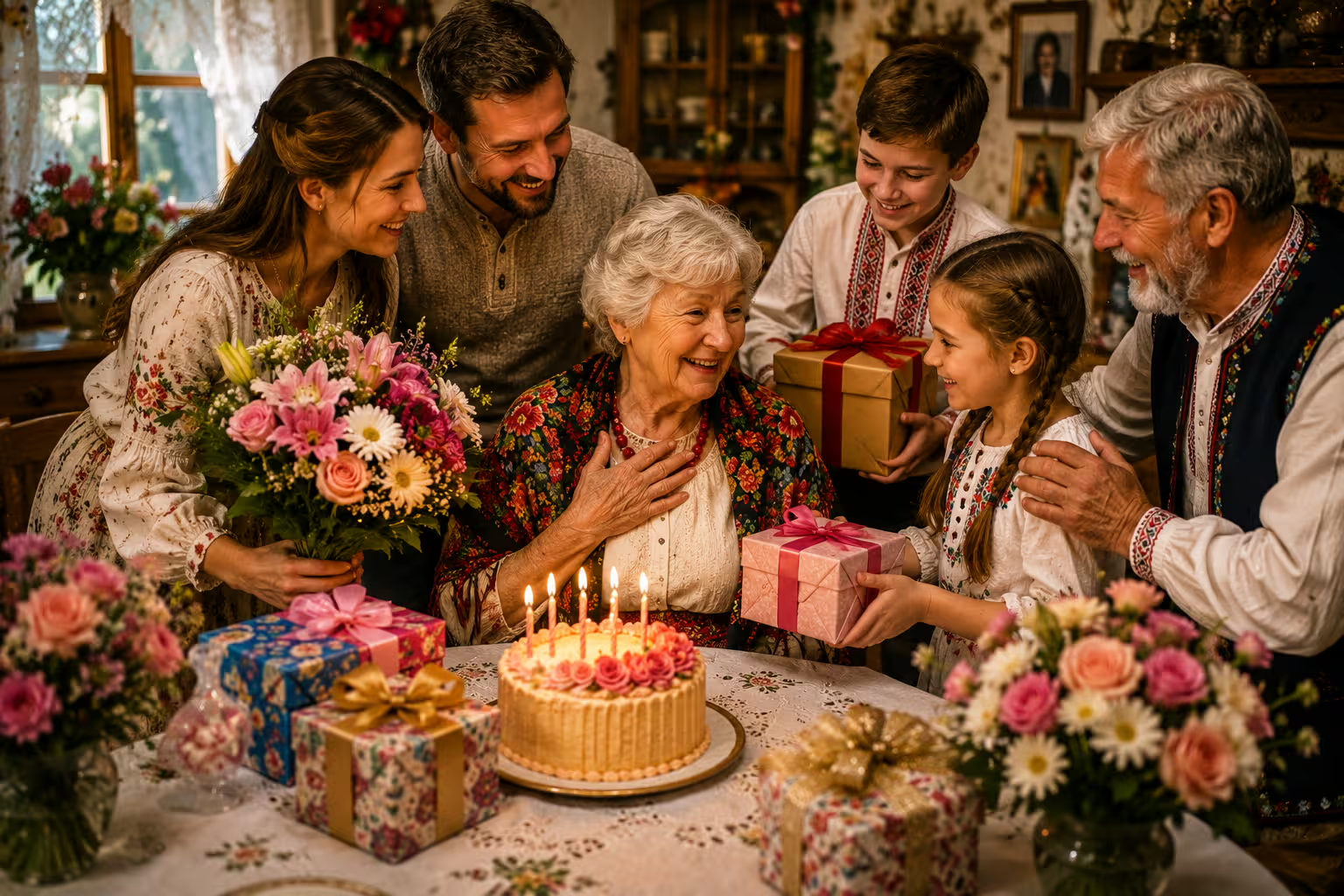
In Poland, many people celebrate their name day, which corresponds to the feast day of a saint sharing their name. Historically, name days were often celebrated as enthusiastically as birthdays.
Friends and family may visit with flowers, gifts, or good wishes. Although birthdays have become more prominent in modern times, name days remain an important and uniquely Polish cultural tradition.
10. Polonez
The Polonaise Dance
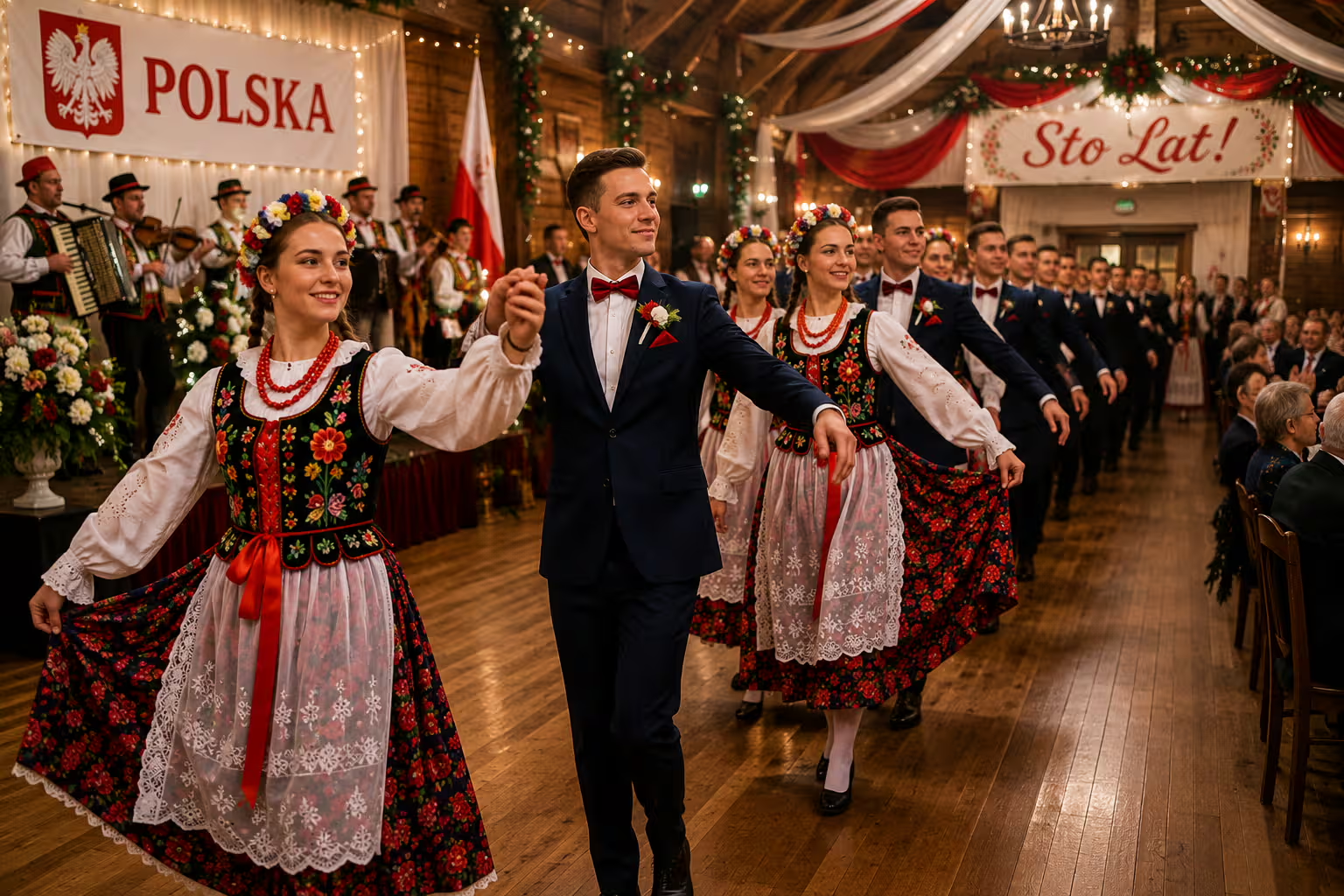
The Polonaise is a stately ceremonial dance that originated among the Polish nobility and became one of Poland's national dances. It is often performed at weddings, formal events, and school proms.
Participants move in elegant procession, symbolizing dignity, unity, and national pride. The dance gained international recognition through the music of Frédéric Chopin, whose famous polonaises helped introduce Polish culture to the world.
11. Kolędowanie
Christmas Caroling
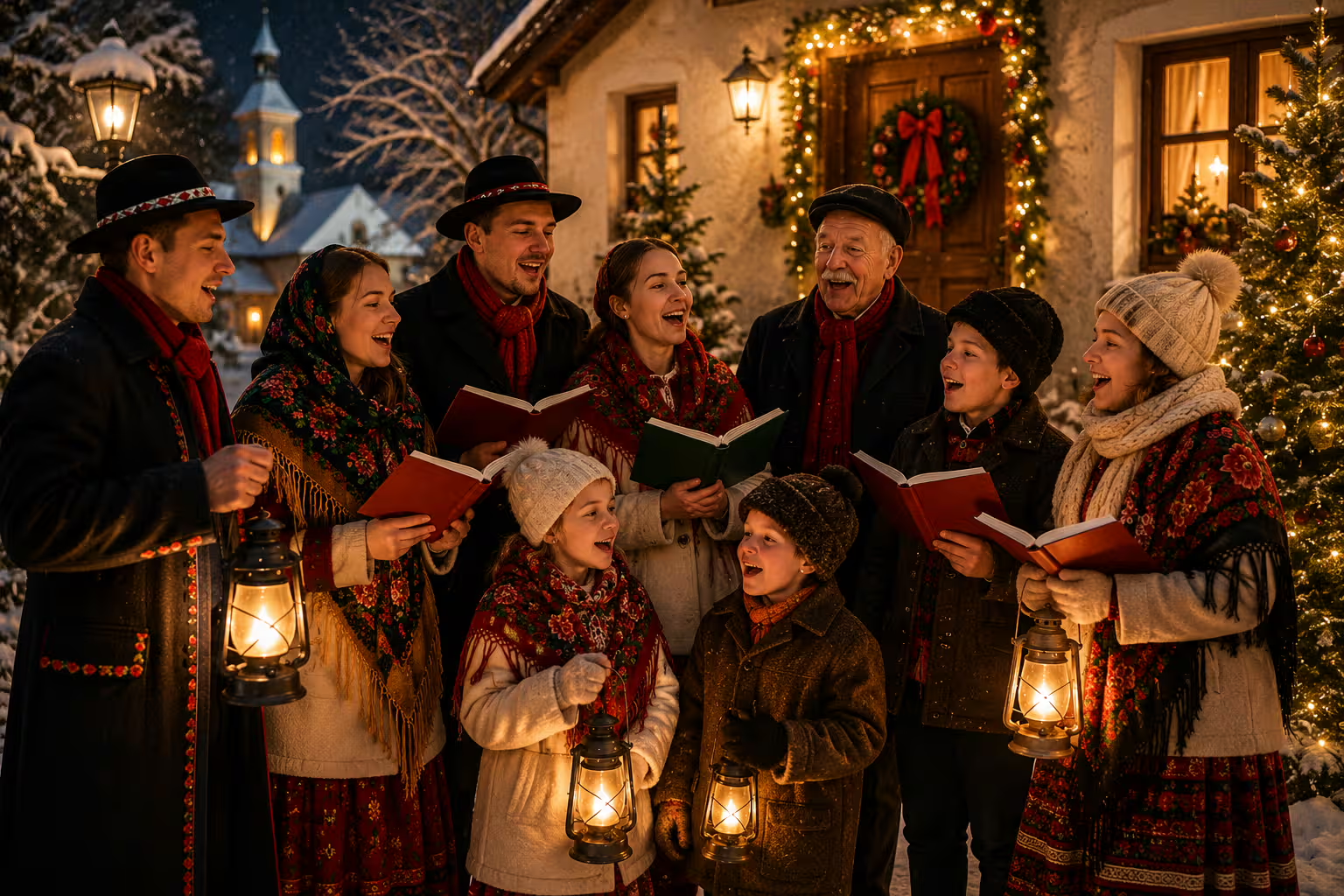
Following Christmas, groups of carolers traditionally travel from house to house singing kolędy (Christmas carols). Some groups wear costumes depicting shepherds, angels, kings, or other biblical figures.
The tradition brings communities together and helps preserve Poland's rich musical heritage. Many Polish families continue to sing traditional carols together during the Christmas season, passing songs from one generation to the next.
12. Respect for Family and Ancestors
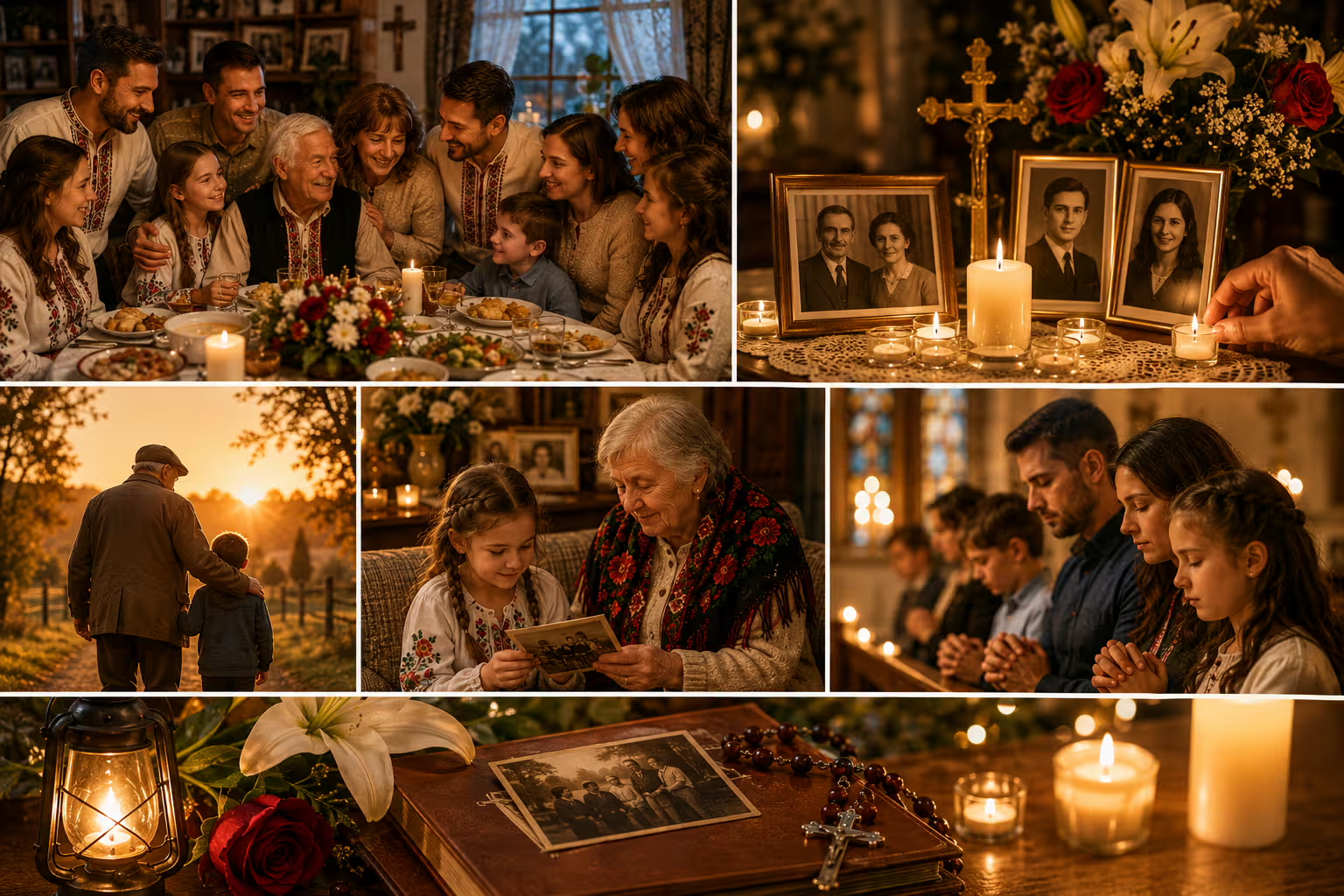
At the heart of many Polish traditions is a deep respect for family. Multi-generational gatherings remain common, and grandparents often play a significant role in family life.
Stories about ancestors, family history, and heritage are frequently shared during holidays and celebrations. This strong sense of continuity helps explain why Polish culture has remained vibrant both in Poland and throughout the global Polish diaspora.
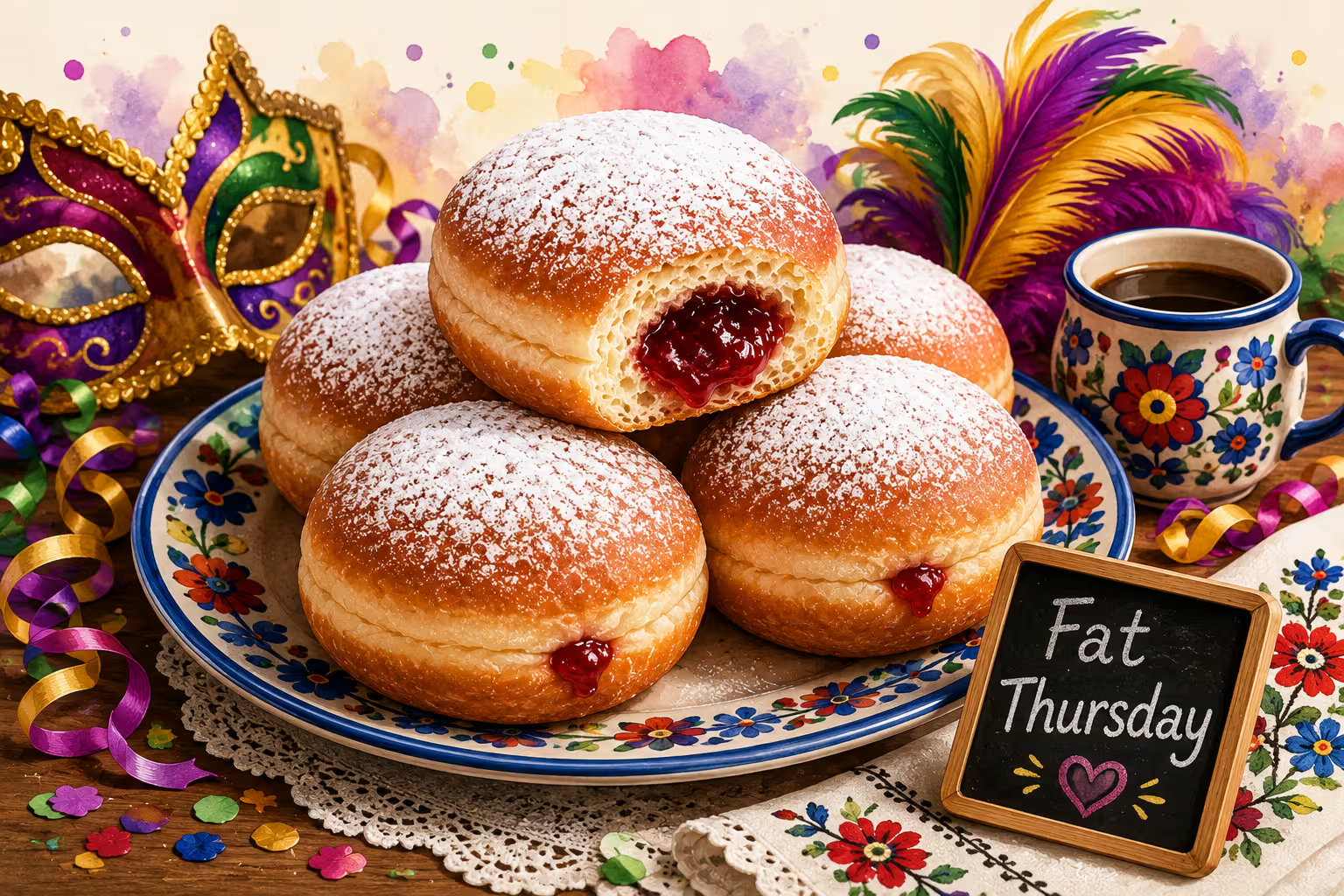
13. Tłusty Czwartek
Fat Thursday and the Tradition of Pączki
(Join us at Polish-American Cultural Center to enjoy before Lent)
Among Poland's most delicious and eagerly anticipated traditions is **Tłusty Czwartek**, or **Fat Thursday**, celebrated on the last Thursday before the beginning of Lent. This festive day marks the final opportunity to enjoy rich foods before the more reflective and traditionally restrained Lenten season. Across Poland, bakeries, homes, schools, and workplaces join in the celebration, making it one of the country's most beloved annual customs.
The star of Tłusty Czwartek is the **pączek** (plural: *pączki*), a rich, deep-fried pastry filled with fruit preserves, rose petal jam, custard, or sweet cream and topped with powdered sugar or glaze. The tradition dates back centuries when families sought to use up ingredients such as eggs, butter, sugar, and lard before Lent. Over time, pączki became the symbolic treat of the day, and many Poles jokingly believe that skipping a pączek on Fat Thursday may bring bad luck for the year ahead.
Today, millions of pączki are consumed throughout Poland on Tłusty Czwartek, with long lines forming outside bakeries as people seek out their favorite varieties. The celebration reflects the Polish love of gathering with family and friends, sharing food, and preserving customs that connect generations. Though simple in nature, Tłusty Czwartek remains a cherished tradition that blends history, faith, community, and the joy of enjoying life's sweet moments before the solemn season of Lent begins.